
QualCert Level 3 Award in Emergency Response Drone Pilot
Develop essential drone piloting and emergency response skills with the QualCert Level 3 Award in Emergency Response Drone Pilot, building practical knowledge of UAV operations, flight safety, emergency assessment, and effective aerial support during incident response.
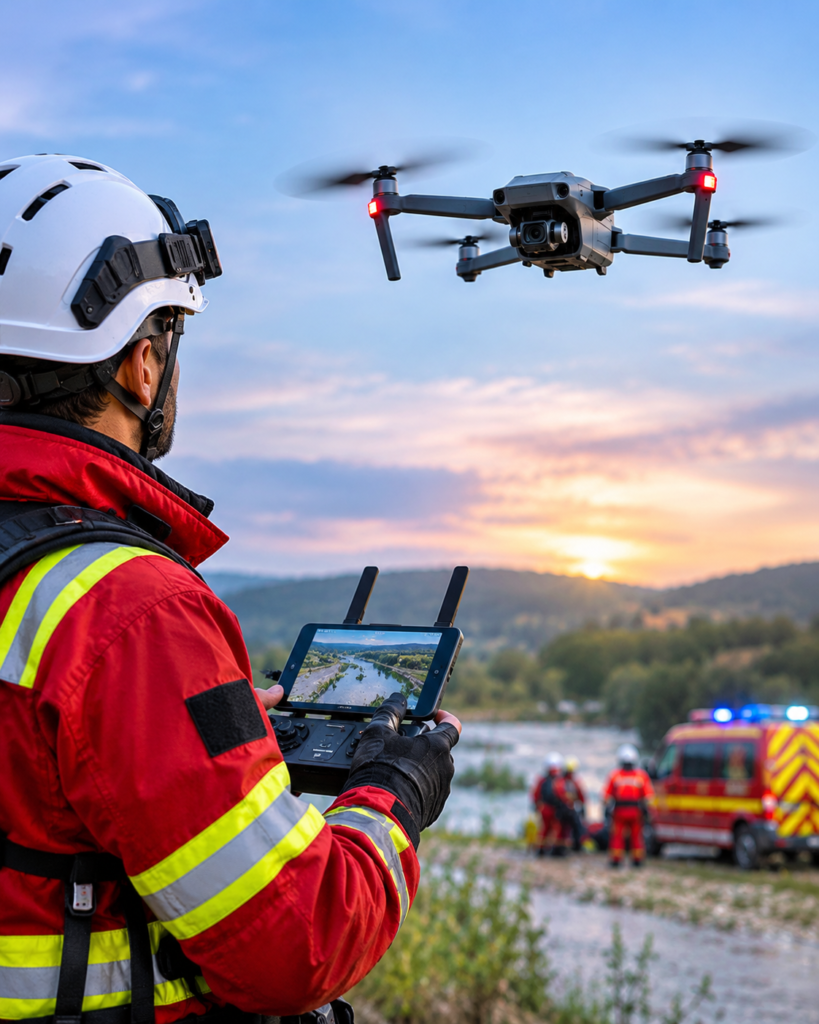
The QualCert Level 3 Award in Emergency Response Drone Pilot is designed to develop learners’ knowledge and understanding of drone operations in emergency response and incident support environments. The programme introduces the role of unmanned aircraft systems (UAS) in assisting emergency teams with aerial observation, situational awareness, incident assessment, and information gathering. Learners explore essential principles of drone technology, flight planning, operational preparation, and safe piloting practices, helping them understand how aerial capabilities can support decision-making during emergencies.
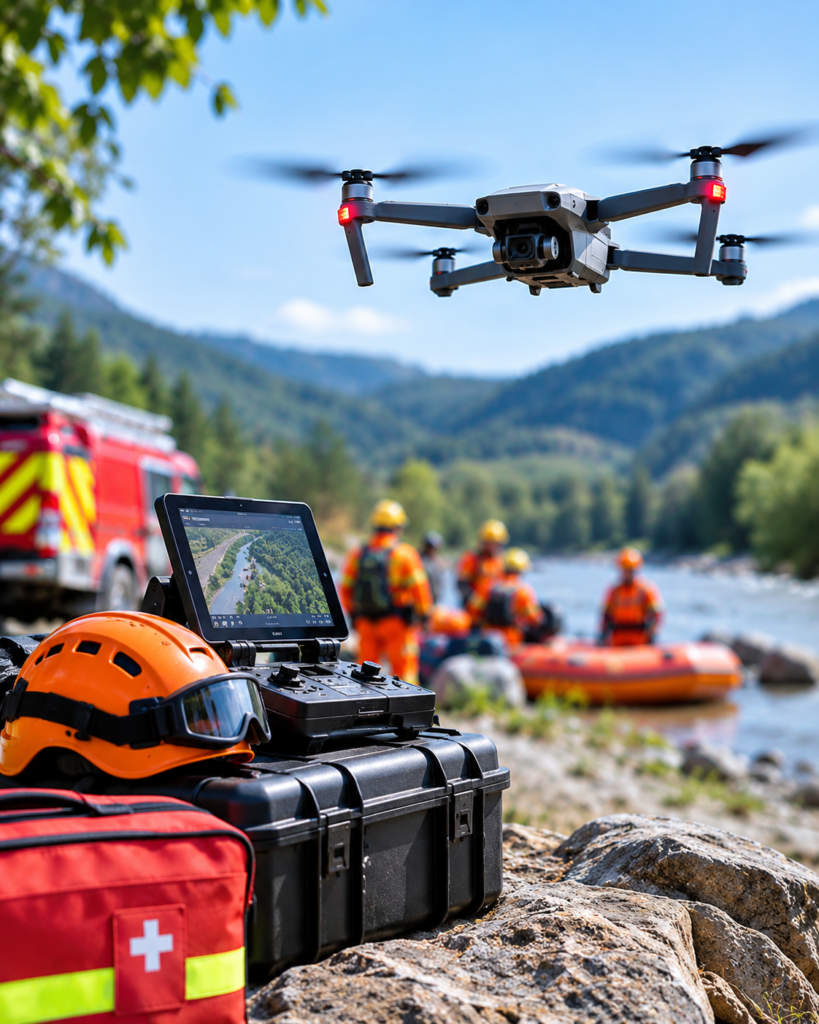
The course focuses on key areas of emergency response drone operations, including flight safety, hazard identification, risk assessment, operational procedures, and communication. Learners develop an understanding of how drones may be used to support activities such as search and rescue, fire and flood monitoring, accident scene assessment, and the observation of hazardous or difficult-to-access locations. The programme also highlights responsible data handling, privacy, and the importance of coordinating drone activities with relevant emergency personnel.
This qualification is suitable for individuals interested in developing knowledge of drone-based emergency support, including aspiring drone pilots, emergency response personnel, safety professionals, and individuals working in security, rescue, and incident management environments. It provides a foundation for understanding the responsibilities and operational considerations involved in emergency response drone activities. By exploring safe flight practices, professional conduct, and the practical applications of aerial technology, learners can strengthen their understanding of how drones contribute to emergency preparedness and response while recognising that additional permissions, training, or authorisations may be required for particular operations.
Qualification Overview
Qualification Level: 3
Duration : 2 days
Study Mode: Online / Blended
Evaluation: Assessments Based
Entry Requirements
Core Learning Modules
Unit 1: Introduction to Emergency Response Drone Operations
Explore the role of drones in emergency response, including their applications in search and rescue, fire monitoring, flood assessment, and incident observation. Understand how unmanned aircraft systems (UAS) support emergency teams and improve situational awareness.
Unit 2: Drone Flight Principles and Controls
Develop an understanding of drone technology, flight principles, navigation, and control systems. Learn about pre-flight checks, flight planning, take-off, landing, and safe drone handling in different operational environments.
Unit 3:Risk Assessment and Safety in Emergency Drone Use
Understand how to identify flight hazards, assess operational risks, and apply appropriate safety measures during emergency drone operations. Explore weather conditions, obstacles, emergency procedures, and safe operating practices.
Unit 4: Communication and Coordination in Emergency Situations
Learn how drone pilots communicate with emergency response teams and relevant authorities. Explore operational briefings, information sharing, coordination procedures, and effective communication to support incident management.
Unit 5: Data Capture, Analysis and Reporting
Understand how drones capture aerial images, videos, and other operational information during emergency incidents. Explore basic data interpretation, accurate reporting, information management, and the use of aerial observations to support response decisions.
Unit 6: Legal and Ethical Responsibilities for Drone Pilots
Explore the legal, professional, and ethical responsibilities of emergency response drone pilots. Understand UK Civil Aviation Authority (CAA) requirements, airspace restrictions, privacy, data protection, responsible drone use, and operational permissions.
Who is this Course For
The QualCert Level 3 Award in Emergency Response Drone Pilot is designed for individuals who want to develop their knowledge of unmanned aircraft systems (UAS) and understand how drone technology can support emergency response, incident assessment, and aerial operations.
This course is particularly suitable for:
- Aspiring Drone Pilots: Individuals interested in developing knowledge of drone flight operations and emergency response applications.
- Emergency Response Personnel: Fire and rescue personnel, search and rescue teams, and emergency support staff seeking to understand drone-assisted operations.
- Security Professionals: Individuals working in security, surveillance, and incident monitoring who want to explore responsible drone applications.
- Health and Safety Professionals: Safety officers and risk management personnel interested in aerial observation and operational risk awareness.
- Disaster Management Personnel: Individuals involved in emergency planning, disaster preparedness, flood monitoring, and incident assessment.
- Aviation and Technology Enthusiasts: Learners interested in UAV technology, flight principles, navigation, and drone safety.
- Incident Management Professionals: Supervisors and coordinators who want to understand how aerial information can support emergency decision-making.
The qualification is relevant to emergency services, fire and rescue, disaster management, security, infrastructure monitoring, and other sectors where drone technology can support situational awareness and incident response.
Benefits of this Qualification
The QualCert Level 3 Award in Emergency Response Drone Pilot helps learners develop essential knowledge of drone technology, flight safety, and emergency response applications.
By completing this qualification, learners can benefit from:
- Emergency Drone Operations Knowledge: Understand how drones support emergency response, search and rescue, and incident monitoring.
- Drone Flight Awareness: Develop knowledge of flight principles, navigation, controls, and pre-flight procedures.
- Risk Assessment Skills: Understand how to identify operational hazards and apply appropriate drone safety measures.
- Emergency Coordination: Strengthen knowledge of communication and coordination with emergency response teams.
- Aerial Data Management: Learn about capturing, interpreting, and reporting aerial information to support incident assessment.
- Legal and Regulatory Awareness: Understand UK CAA requirements, airspace restrictions, privacy, and responsible drone operations.
- Improved Situational Awareness: Explore how aerial observations can help emergency personnel understand incident environments.
- Professional Development: Build subject knowledge relevant to drone technology, emergency services, disaster management, and safety operations.
- Industry-Relevant Knowledge: Explore drone applications across fire and rescue, security, infrastructure monitoring, and disaster response.
- Further Learning Opportunities: Establish a foundation for pursuing additional drone training and relevant aviation or emergency response learning.