QualCert Level 2 QA: Knowledge Task & Reflection
Table of Contents
Task Overview
In this task, you are required to act as a Junior Quality Representative. You will select a specific process within your current (or a simulated) UK workplace and perform a structured reflection. You must demonstrate how QA principles, UK regulations, and continuous improvement frameworks (like Plan-Do-Check-Act) apply to this process to ensure customer satisfaction and regulatory compliance.
Part 1: Process Identification and Theoretical Basis
Objective:Understand the fundamental principles of QA and identify key components.
- Select a Workplace Process: Choose one specific process (e.g., handling customer returns, food safety temperature logging, data entry for client records, or assembly line inspection).
- Define the QA Objective: State clearly what “Quality” looks like for this process. Is the goal “Right First Time,” zero defects, or 100% compliance with a specific standard?
- Theoretical Framework: Explain the PDCA (Plan-Do-Check-Act) Cycle in relation to your chosen process.
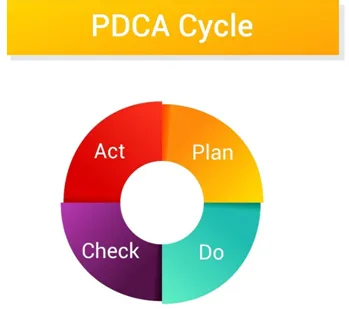
Vocational Context: Instead of just defining PDCA, explain how your workplace “Checks” the process (e.g., through audits or spot checks) and what “Acting” looks like when a flaw is found.
Part 2: Standards, Laws, and Regulations (UK Context)
Objective:Recognize various QA standards and UK-specific frameworks.
Quality Assurance in the UK is governed by both industry-specific standards and national legislation. Identify which of the following apply to your chosen process and explain how they influence quality:
| Regulatory Area | Relevant UK Legislation/Standard |
| General Quality | ISO 9001:2015 (Quality Management Systems) |
| Health & Safety | Health and Safety at Work etc. Act 1974 |
| Data & Privacy | UK GDPR and Data Protection Act 2018 |
| Consumer Rights | Consumer Rights Act 2015 |
Activity: List two specific legal requirements from the table above that your process must meet to remain compliant. For example, if you chose “Customer Data Entry,” how does the UK GDPR dictate your QA checks?
Part 3: Roles and Stakeholders
Objective:Identify key roles within a QA system and their importance to customer satisfaction.
In a vocational setting, QA is a collective responsibility. Reflect on the following:
- The Operator Role: What is the responsibility of the person performing the task to ensure quality at the source?
- The Internal Auditor/Supervisor: How do they provide independent verification that the process is working?
- The Customer: Explain how a failure in this specific process would impact the end-user. Does it lead to a safety risk, a financial loss, or a loss of reputation?
Part 4: Continuous Improvement Proposal
Objective:Explain the importance of QA in maintaining quality and suggesting improvements.
Based on your reflection, identify one weakness in the current process. Use the table below to propose a competency-based improvement.
| Current Issue | Proposed QA Improvement | Expected Outcome |
| Example: Manual errors in logging. | Implement a digital timestamp system. | Increased data accuracy and audit trail. |
Evidence Requirements for Learners
To successfully complete this KPT, you must submit:
- A Flowchart of the chosen workplace process.
- A Written Reflection (approx. 500 words) or a Professional Discussion Record covering the points in Parts 1-4.
- A Compliance Checklist showing which UK laws govern the process.