QualCert Level 2: Group Discussion in Quality Assurance
Table of Contents
Task Overview
In this exercise, you will work in small groups to simulate a “Quality Review Board.” You will analyze real-world vocational scenarios, discuss how QA principles apply to specific UK industries (such as manufacturing, healthcare, or construction), and determine how to meet customer expectations through standardized processes.
Learning Outcome 1: Fundamental Principles and Objectives
Discussion Topic: “Right First Time” vs. “Inspection”
- The Scenario: A local UK manufacturer is finding that 15% of their products are being returned due to defects. The management wants to hire more inspectors at the end of the line.
- Discussion Points: * Why is “Quality Assurance” (prevention) more cost-effective than “Quality Control” (detection) for a UK business?
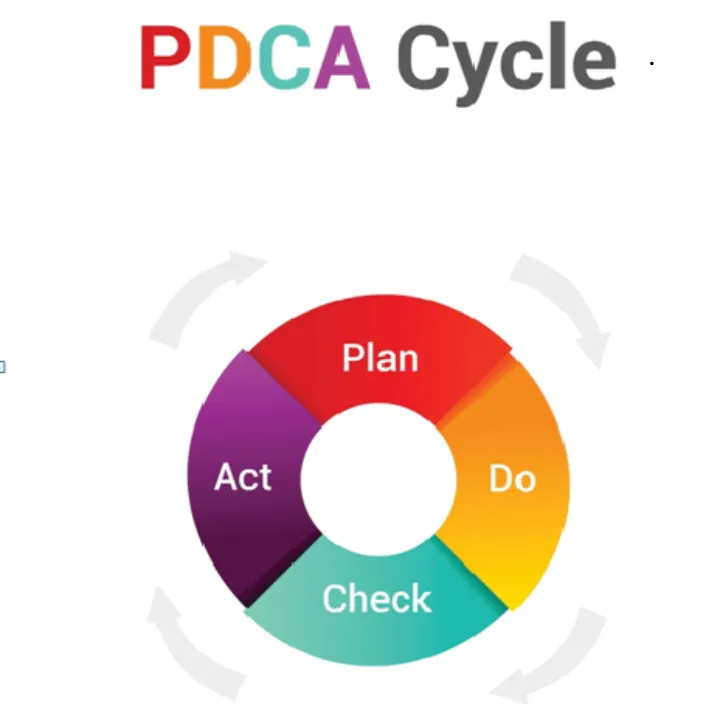
- Discuss the objective of “continuous improvement.” How does preventing a mistake save more money than fixing one?
- Collective Conclusion: Note how proactive QA measures impact the company’s “Bottom Line.”
Learning Outcome 2: Key Components and Roles
Discussion Topic: Who Owns Quality?
- The Scenario: A warehouse team believes that “Quality” is only the job of the QA Manager.
- Discussion Points: * Define the roles: What is the responsibility of the frontline operative versus the QA Auditor?
- Discuss the “Quality Chain.” If the goods-inwards team accepts sub-standard raw materials, how does that affect the final technician?
- Collective Conclusion: Map out a simple organizational hierarchy showing how QA integrates into every job role.
Learning Outcome 3: Importance of QA and Customer Satisfaction
Discussion Topic: The Cost of Failure in the UK Market
- The Scenario: A service provider fails to meet the standards set out in their Service Level Agreement (SLA), leading to a breach of the Consumer Rights Act 2015.
- Discussion Points: * Beyond a refund, what are the long-term consequences of poor quality (e.g., loss of reputation, legal action, HSE intervention)?
- How does a robust QA system act as a “safety net” for the business and the customer?
- Collective Conclusion: List three ways a QA system directly protects the consumer under UK law.
Learning Outcome 4: Standards, Frameworks, and UK Regulations
Discussion Topic: Navigating the Frameworks
- The Scenario: Your company wants to bid for a government contract. They are asked to demonstrate compliance with specific standards.
- Discussion Points: * ISO 9001: Discuss why this is the “Gold Standard” for Quality Management Systems (QMS) in the UK.
- UKCA Marking: Discuss the importance of the UKCA (UK Conformity Assessed) marking for products placed on the market in Great Britain.
- BSI (British Standards Institution): How do BSI standards help a business stay competitive?
- Collective Conclusion: Create a checklist of which UK regulations or international standards would apply to a business in your specific vocational sector.
Evidence of Competency (Deliverables)
To complete this KPT, your group must submit a Discussion Summary Sheet containing:
- A brief definition of QA tailored to your specific industry.
- A list of at least two UK-specific laws/regulations that govern quality in your sector.
- A “Role Map” showing how quality is maintained at each stage of a project/production.